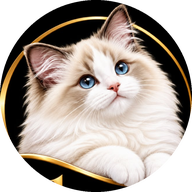
The Ragdoll story
From one gentle cat to a world in love.
Every Ragdoll curled up on a sofa today, including the kittens raised here in Serpentine, WA, shares the same small beginning: a calm white cat in 1960s California and a handful of people who couldn’t stop talking about her kittens.
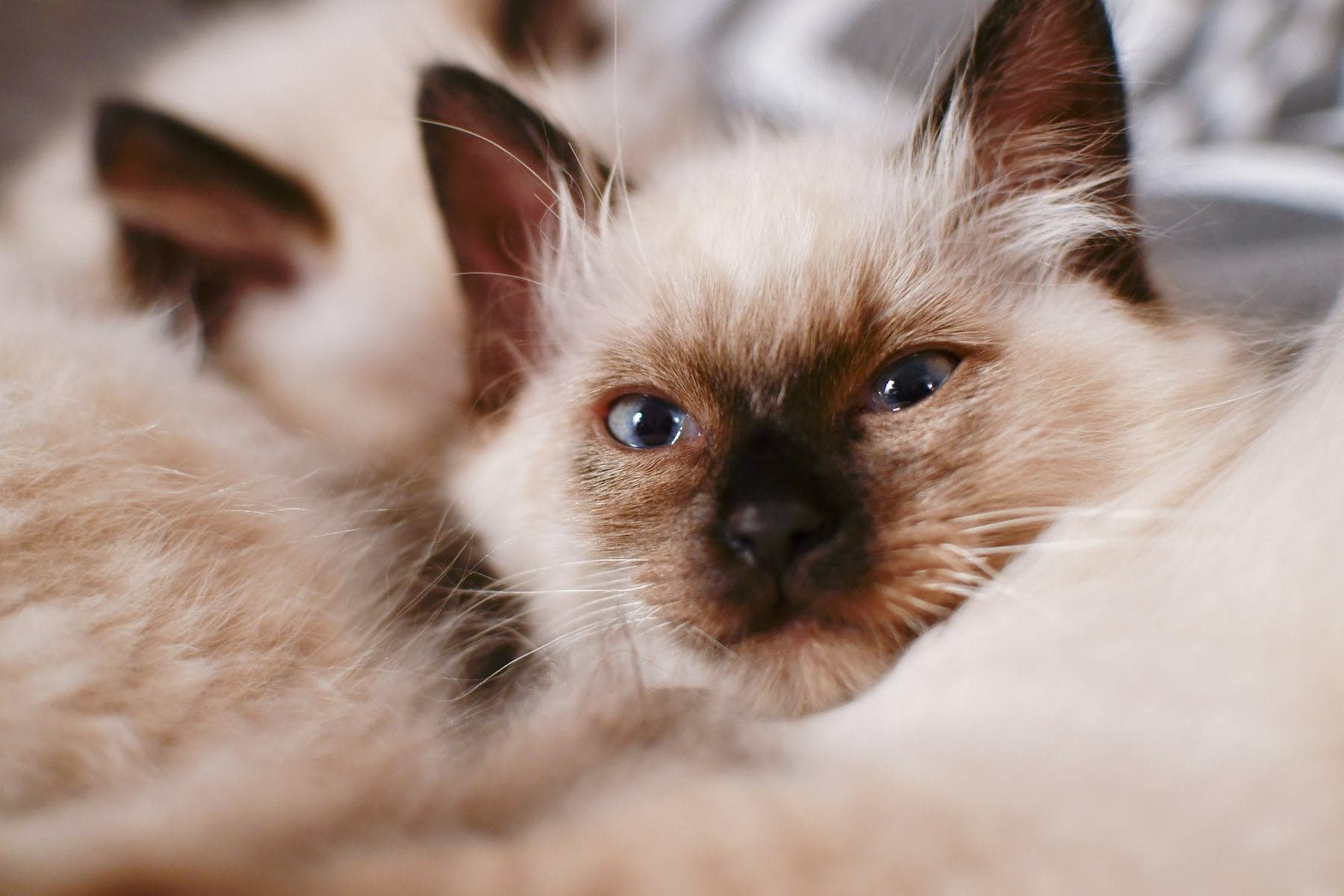
Timeline
1963
Josephine
In Riverside, California, a free-roaming white longhaired cat named Josephine has litters with a remarkably gentle, relaxed nature. Local breeder Ann Baker starts working with her kittens.
1960s
The founding family
From those early litters come Daddy Warbucks, a seal point with white feet, and Josephine’s daughters Fugianna and Buckwheat. Every Ragdoll alive today traces back to these few cats.
1971
A name of their own
Ann Baker trademarks the name “Ragdoll” and starts her own registry, keeping tight control over who could breed and sell the cats.
1975
Sharing the breed with the world
Denny and Laura Dayton and other early breeders form the Ragdoll Society, later the Ragdoll Fanciers Club, with one goal: mainstream recognition for the breed.
1976
First championships
All three patterns, colorpoint, mitted and bicolor, are accepted for championship by the first cat associations.
1979
TICA recognition
The International Cat Association grants the Ragdoll championship status, with other registries following over the next few years.
1993
Welcomed by the CFA
The Cat Fanciers’ Association, the world’s largest pedigreed cat registry, accepts Ragdolls for registration.
2000
Champions
The CFA advances the Ragdoll to championship status. Mitted Ragdolls join them in earning CFA titles from the 2008–09 show season.
Today
A worldwide favourite
Ragdolls are among the most loved breeds in the world, and DNA testing for heart disease (HCM) has helped responsible breeders raise healthier generations.
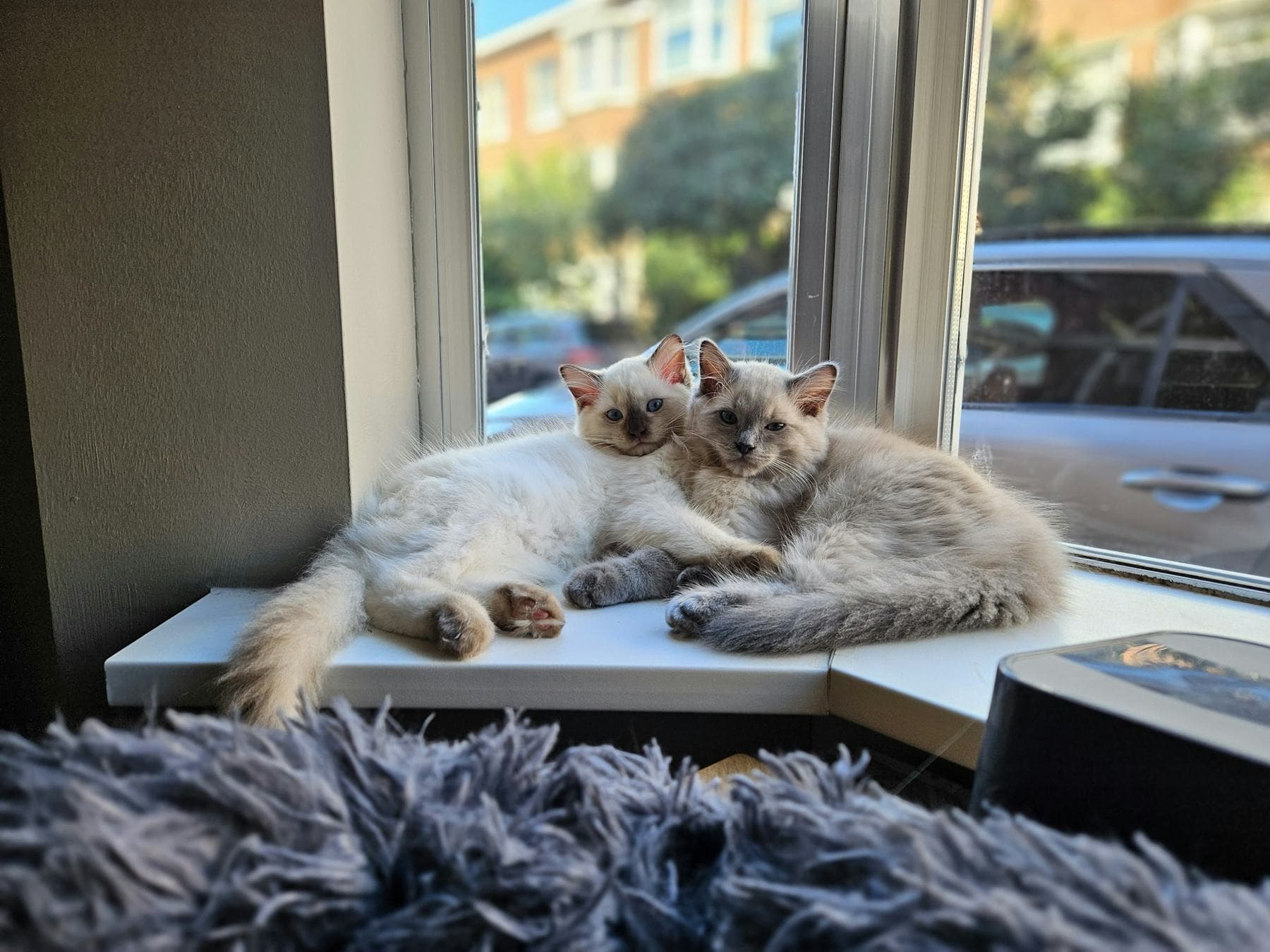
Why they won hearts
A cat that melts into your arms
The name says it all: many Ragdolls go completely relaxed and floppy when they’re picked up, like a child’s rag doll. It’s one of the first things new families notice, and one they never get tired of.
They’re often called “puppy cats”. They follow their people from room to room, greet them at the door, happily learn to fetch a favourite toy, and tend to stay playful well into old age. Unlike many cats, they usually prefer being down at your level to perching on the highest shelf.
Even their colour is a gentle surprise: Ragdoll kittens are born white. Their points begin to show within weeks, but their full colour and coat can take three to four years to finish developing.
A famous face
The Ragdoll on the cover of TIME
In 2019, a blue-eyed Ragdoll kitten named Benjamin Button met Taylor Swift on the set of her music video for “ME!”, where kittens were featured to encourage adoption. She took him home.
Four years later, when TIME named her its 2023 Person of the Year, Benjamin was right there on one of the covers, draped calmly around her shoulders and gazing straight at the camera. It’s hard to imagine a more Ragdoll way to become famous.
Healthier generations
Why careful breeding matters
Ragdolls can carry a gene variant linked to hypertrophic cardiomyopathy (HCM), a heart condition. Since a DNA test became available, breeders who test their cats have been able to avoid passing it on, and the disease is now recognised earlier and seen less often in the breed.
A large 2025 study of more than 21,000 Ragdolls in UK veterinary care found a median age at death of almost 13 years, comparable to non-pedigree cats. Choosing a breeder who health-tests, raises kittens with care and offers lifetime support is still the best gift you can give your future companion.